How To Buy Art For Your Home
Whether you've just moved, are looking to create a focal point, or are finally ready to fill that empty wall you pass every day, original art is a unique choice that will transform any house into a home.
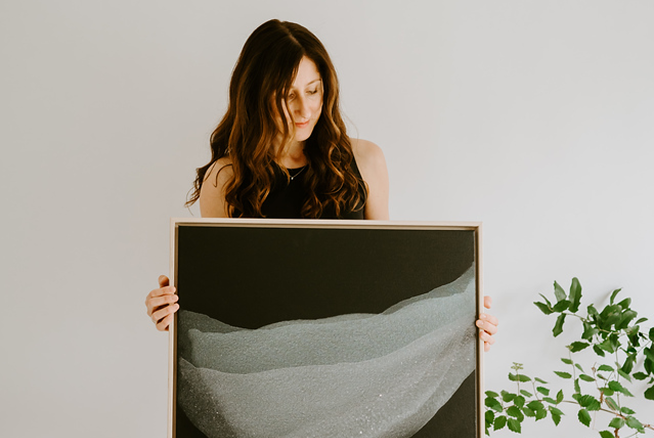
I Embrace Stillness by Agnes Russo
What Rooms Should You Hang Art In?
When you’re buying original art for the first time, you’re most likely looking for one piece, and that’s exactly the right way to start. The question isn’t how many pieces you need, rather: where should that first piece live?
The smartest choice is a room where you’ll actually see and experience your art daily. Think about the spaces where you naturally spend time, where you relax, where guests gather, or what you see first when you walk through the door. A piece that greets you in the entryway sets the tone for your entire home. Art in your living room becomes the backdrop to your daily life and conversation.
The bottom line: invest in an artwork that genuinely excites you for a space that matters to you. That piece will anchor your home and your collection as it grows.
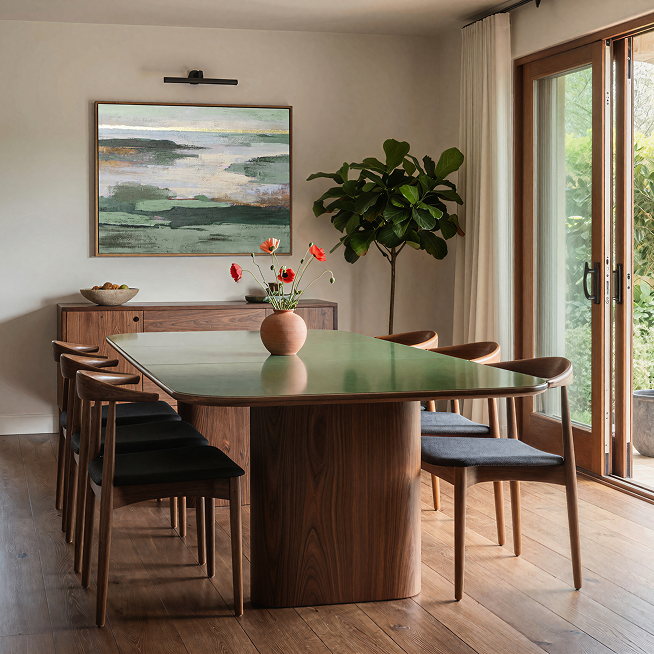
How to Choose Art for Each Room
The key is understanding that each space has its own considerations, from how you use the room to factors such as light, moisture, and traffic.
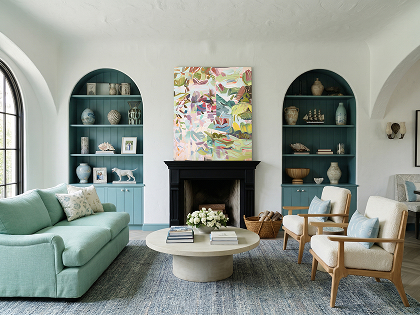
Living Room
Your living room gives you the most flexibility. Larger walls can handle statement pieces, while smaller spaces benefit from thoughtfully scaled art that doesn’t overwhelm. Choose something you’ll genuinely want to see every day, not just what matches your throw pillows.
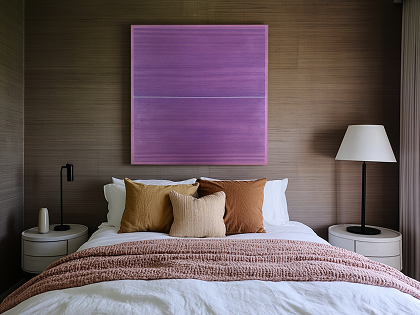
Bedrooms
Kitchens
Dining Rooms
Entryways, Hallways, and Staircases
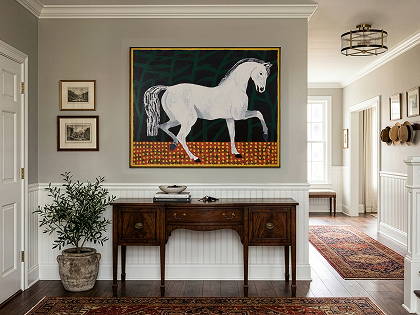
Entryways, hallways, and staircases are typically viewed while moving, so bold colors or striking compositions work well to catch the eye. Vertical pieces often suit narrow walls better than horizontal ones. Since these are high-traffic areas, ensure your art is securely hung; this is especially important in staircases.
Overlooked Spaces
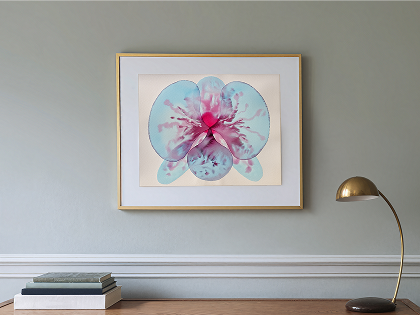
Beyond the main living areas, home offices benefit from art that either energizes your workday or helps you focus. And nurseries offer a chance to choose something that grows with your child. These rooms may not be your first priority, but they’re opportunities to bring beauty into everyday moments.
What Size Art Should I Buy?
Getting the size right is one of the biggest concerns for first-time art buyers, but it’s more intuitive than you might think. The goal is to choose a piece that feels balanced in the space—not too small that the artwork gets lost, and not too large to overwhelm the wall.
Hang Art at Eye-Level
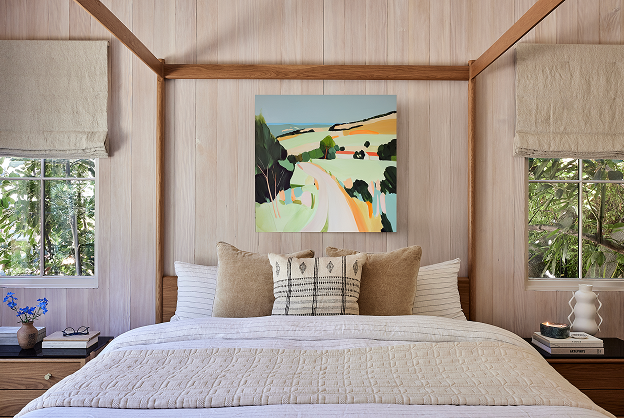
When hanging a piece, the standard guideline is to hang art so the center of the piece is at eye level, typically around 57-60 inches from the floor. However, if you’re hanging art above furniture, the relationship to that furniture matters more than a strict measurement. A good rule of thumb for above a couch, fireplace, or bed: aim for art that’s roughly two-thirds to three-quarters the width of the furniture below it.
Orientation: Horizontal, Vertical, or Square
An artwork’s orientation should work with both the wall space and the furniture below it. Horizontal pieces work well above sofas and beds, vertical pieces suit narrow walls and hallways, and square pieces offer flexibility almost anywhere.
When Do Materials Matter When Buying Art?
Most of the time, you can choose art based purely on what you love without worrying about materials. But certain rooms and placements do require some planning to keep your art looking its best for years to come.
Bathrooms & Moisture
Acrylic paintings and framed photography generally handle bathroom humidity better than oil paintings, works on paper, or certain mixed media pieces. The key is to keep art away from direct shower spray and ensure your bathroom has good ventilation.
Kitchens
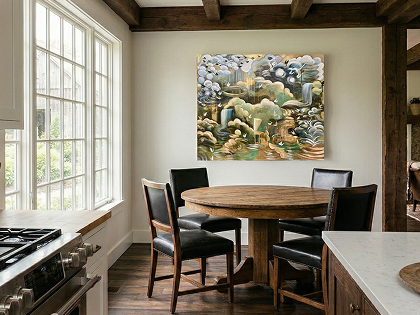
Heat, moisture, and cooking splatter make kitchens one of the more challenging spaces for art. Acrylic paintings on canvas hold up well and can be gently cleaned if needed. Avoid delicate works on paper near the stove or sink.
UV Light & Fading
Direct sunlight is the biggest threat to artwork over time. Prolonged UV exposure can fade colors, especially in works on paper, watercolors, and certain pigments. If you’re placing art near windows, consider UV-protective glass for framed pieces, use window treatments during peak sun hours, or opt for a wall that doesn’t receive direct sunlight. Oil and acrylic paintings tend to be more resilient, but no art benefits from being exposed to harsh afternoon sun year-round.
Outdoor & Covered Patios
Outdoor spaces require weather-resistant art specifically designed for the elements. Even covered patios experience temperature fluctuations, humidity, and indirect moisture that most traditional artwork isn’t created to withstand. If you want art in these spaces, look for pieces created with exterior-grade materials or consider commissioning something specifically for outdoor display.
Should Art Match Your Décor?
One of the most common concerns first-time art buyers have is whether a piece will “go” with their existing furniture, paint colors, and overall style. The good news? Art is more forgiving than you think.
Matching vs. Complementing Your Color Palette
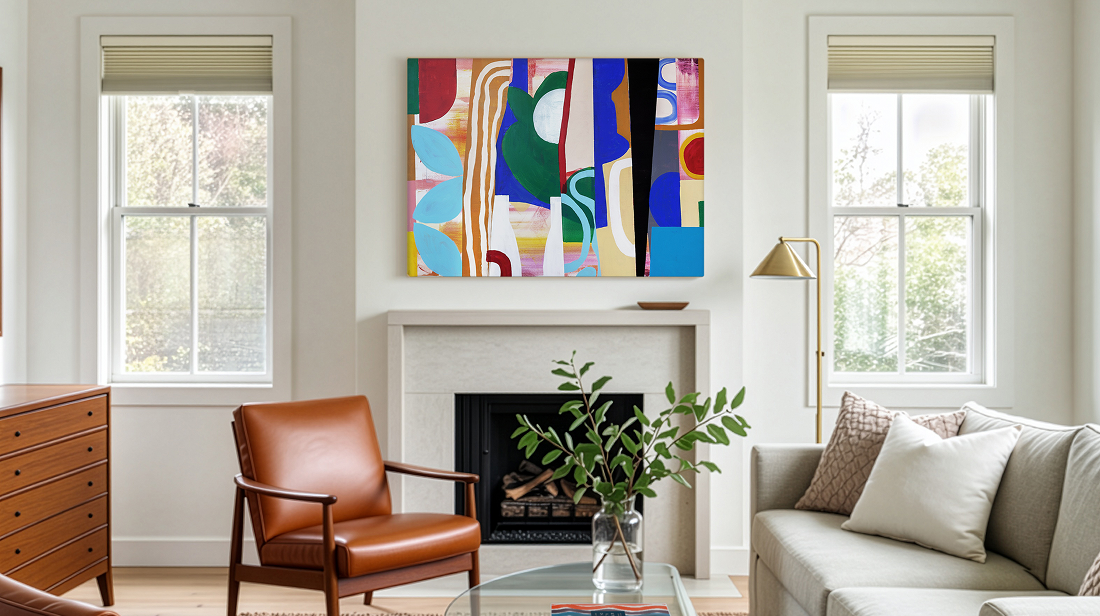
You don’t need to match your art perfectly to your throw pillows or wall color. In fact, art often works best when it complements rather than matches. Look for pieces that share one or two colors with your room, but don’t stress about finding exact matches. A painting with warm tones can beautifully anchor a neutral room. A piece with a pop of blue can tie together existing blue accents without being overwhelmingly matchy. The goal is harmony, not uniformity.
Mixing Different Styles and Subjects
Your art collection doesn’t need to follow one cohesive style. An abstract piece can coexist harmoniously with a landscape. What matters more than matching styles is choosing pieces you genuinely connect with. Your personal taste is what will make your collection feel cohesive over time, even if the individual works vary in style or subject.
Incorporating Family Photos and Other Wall Hangings
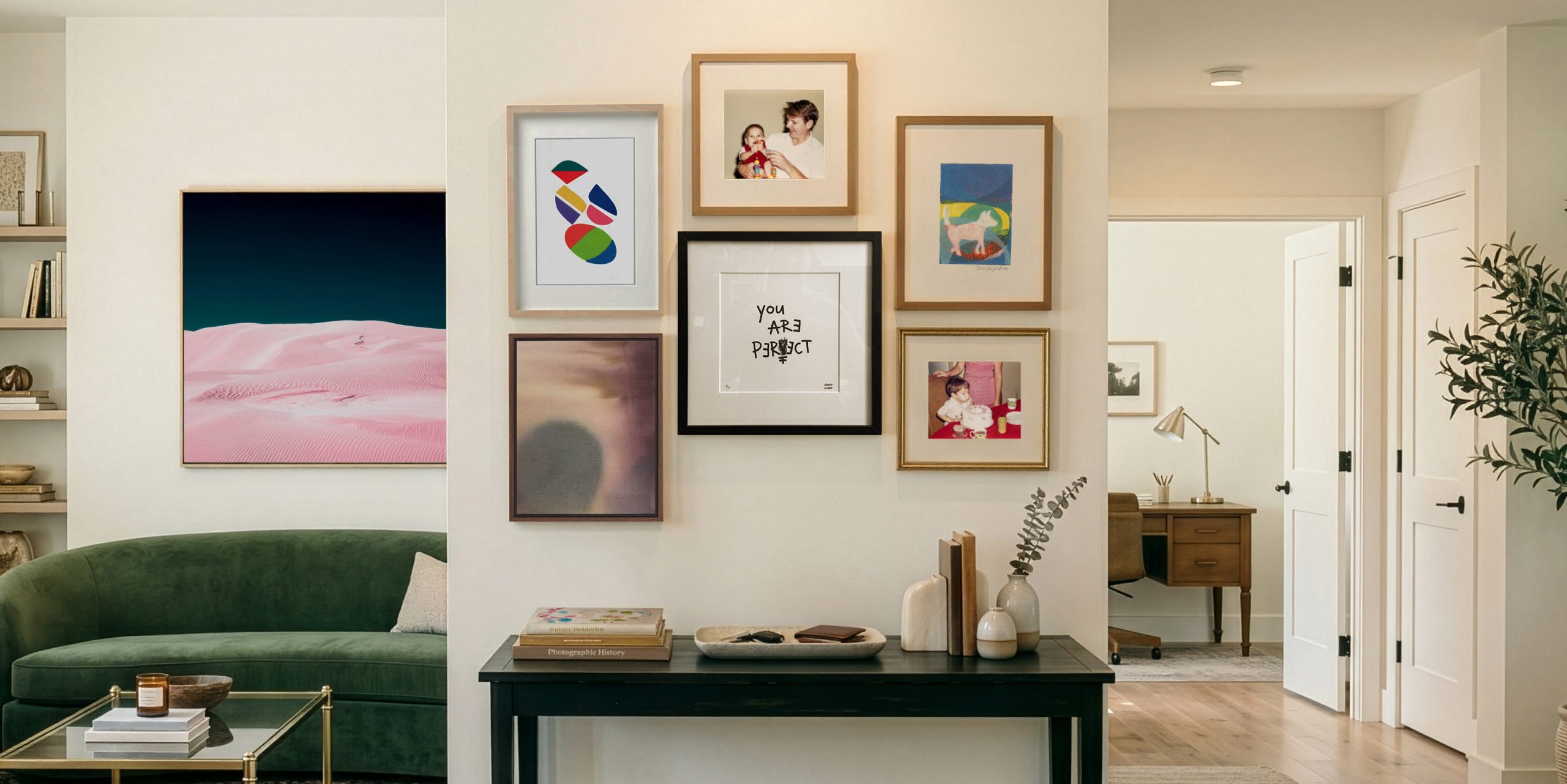
Original art and family photos don’t need to be separated. In gallery wall arrangements, mix framed photos with smaller original pieces for a collected, personal feel. In other spaces, give your original art its own breathing room—a statement piece above the sofa with family photos grouped elsewhere.
What if My Taste Changes Over Time?
Your taste will evolve, and that’s completely normal. The beauty of starting with one piece you genuinely love is that it reflects who you are at the moment. If your style shifts in a few years, that piece can move to a different room, and you can add new art that feels right for your current space. Trust your instincts and choose what speaks to you today.
How to Display My Art?
Once you’ve chosen your piece, the next question is how to display it. The good news is you have more flexibility than you might think, and the right choice depends on your space and personal style.
Display Options: Hang or Lean
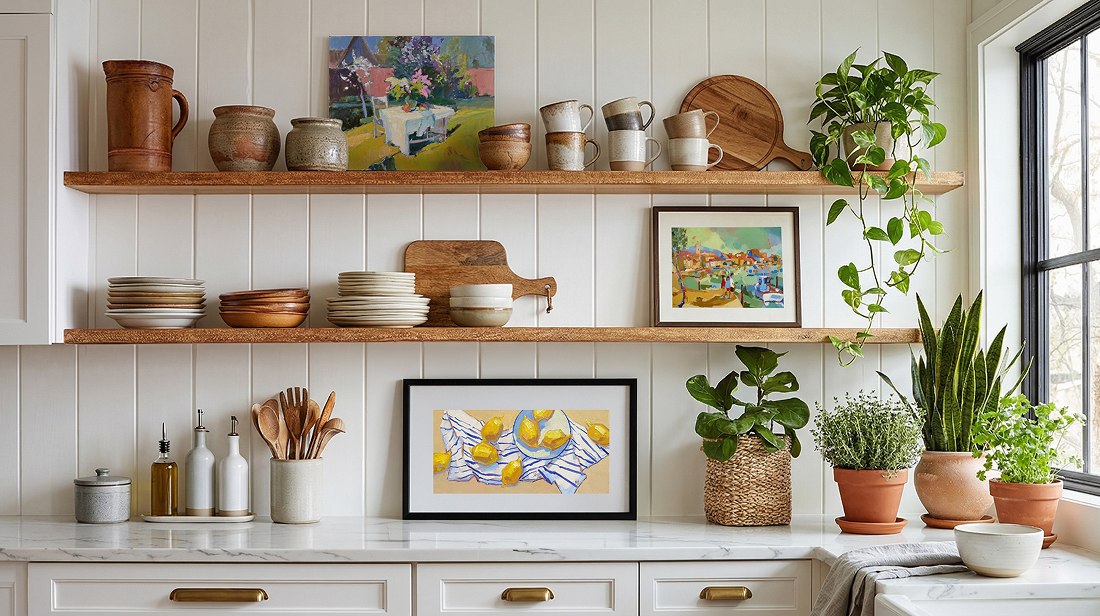
Not every piece needs to go on the wall. Leaning art on a mantel, shelf, or console table creates a casual, layered look that’s easy to rearrange. Hanging is the traditional route and makes sense for high-traffic areas, above furniture, or anywhere you want a more permanent look.
Does My Art Need To Be Framed?
It depends on the medium. Works on paper—like watercolors or drawings—almost always need framing for protection. Paintings on canvas often don’t require frames, especially if the edges are finished. Some buyers love the clean look of an unframed canvas, while others prefer the polish a frame provides. When in doubt, consult our art advisory team.
What Does "Stretched" Mean?
Stretched canvas means the fabric has been pulled taut and secured over a wooden frame, making it ready to hang. Unstretched canvas is loose fabric that needs professional mounting before display, these works will be shipped in a tube instead of a crate.
Stretching and Framing Costs:
Stretching a canvas typically runs $150-$350+ depending on size. Custom framing can range from $100 to $500+ based on frame quality, matting, and protective glass. If budget is a concern, ask about standard-size frames or simpler options.
Ready-To-Hang Options
Some artists offer pieces that come stretched, finished, and equipped with hanging hardware—no framer needed. Look for work described as “ready to hang” or “framed” to get your art on the wall faster.
The most important thing to remember when shopping for original art is this: buy what you love.
The right artwork for your home is the one that resonates with you, not the one that follows every rule. Start with one piece that excites you, place it somewhere you’ll see it every day, and let it transform your space. That’s how a house becomes a home filled with art you love.